

Our Story
Brain Research Foundation was founded and incorporated as a not-for-profit organization in 1953 by three neurologists, including Dr. Frederic A. Gibbs, who was widely known as “the father of electro-encephalography.”
In 1964, BRF joined The University of Chicago to establish the Brain Research Institute. For the next 40 years, the Foundation supported basic neuroscientists and promising younger investigators at The University of Chicago in search of the keys to unlock the mysteries of the human brain. To honor one of the founders, BRF now has the Frederic A. Gibbs Award, honoring an individual or company, who has excelled in philanthropic leadership, community service, and scientific achievement.
The Future of Brain Research Starts Today
At Brain Research Foundation, we are united by our shared passion for a deeper understanding of the brain. We are researchers, donors, families and individuals committed to furthering the treatment and management of all brain disorders.
Our work lays the building blocks for scientific breakthroughs—now and into the future. Our distinct funding process prioritizes innovative, high-impact research and fosters promising research careers. Through thoughtful investments and strategic grants, BRF strives to make the largest possible impact and to provide hope to those affected.
Board of Trustees
With a long history of leadership, Brain Research Foundation’s Board of Trustees provides oversight and governance to the Foundation’s activities.
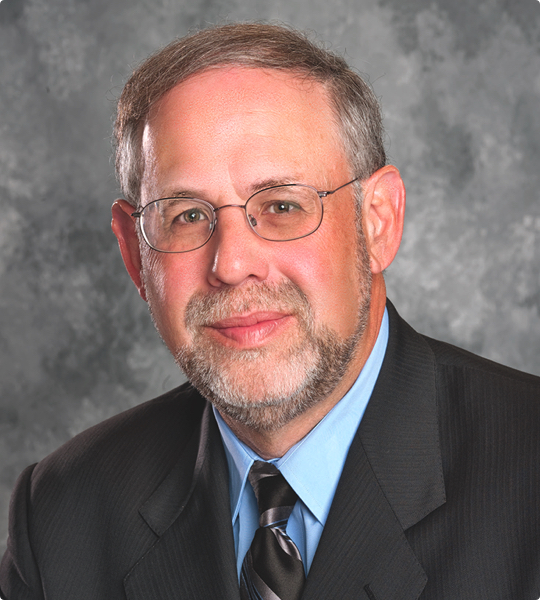
Scott P. Serota
Scott Serota is a healthcare expert and retired executive with more than four decades of leadership experience. He most recently served as president and chief executive officer of the Blue Cross Blue Shield Association (BCBSA), a national federation of 36 independent, community-based and locally operated Blue Cross and Blue Shield companies, stepping down in January 2021 after 21 years in that role. He joined BCBSA in 1996, serving first as executive vice president for system development, where he was responsible for new business, strategy and technology evaluation, then as chief operating officer.
Previously, Serota was president and CEO of Chicago-based Rush Prudential Health Plans, where he led the integration of Rush-Presbyterian-St. Luke’s Medical Center Health Plans and The Prudential. Early in his career, he created and led Physicians Preferred Health Inc., a Missouri-based PHO.
Scott Serota is a founding member of the National Business Group on Health’s Institute on Healthcare Costs and Solutions. He is Chairman of the Board for the Brain Research Foundation and a member of the following Boards: Athletico Physical Therapy, Northwestern Memorial Health System-South Region, Blue Cross Blue Shield of Michigan and Unitek Learning. Mr. Serota is also Director of Henry Schein, Inc. and an advisory Board member of Paragon Biosciences and the Vistria Group. He serves on the Leadership Council of the Healthcare Financial Management Association, the American College of Healthcare Executives, the Dean’s Leadership Council for the College of Science at Purdue University and the Washington University School of Medicine National Council.
Mr. Serota was appointed by President George W. Bush to the Policy Committee of the White House Conference on Aging—advising the Administration and Congress on policies, programs and services affecting the nation’s older citizens—and served as Chairman of the Subcommittee on Health. He was a charter member of the American Health Information Community, a federally chartered commission formed to advance health information technology, including electronic health records.
Among civic leadership roles, Serota served on the CEO Advisory Board for Building a Healthier Chicago. He has been a featured speaker at leading business and industry forums, including the U.S. Chamber of Commerce, the Detroit Economic Club, the Executives Club of Chicago, the Jonathan Club in Los Angeles, the Wharton School at the University of Pennsylvania and the World Healthcare Congress in Washington, D.C.
Serota earned a bachelor’s degree from Purdue University and a master’s in health administration and planning from the Washington University School of Medicine. He holds an honorary doctorate of science from Purdue University and has been named a distinguished alumnus of both Purdue and Washington University.
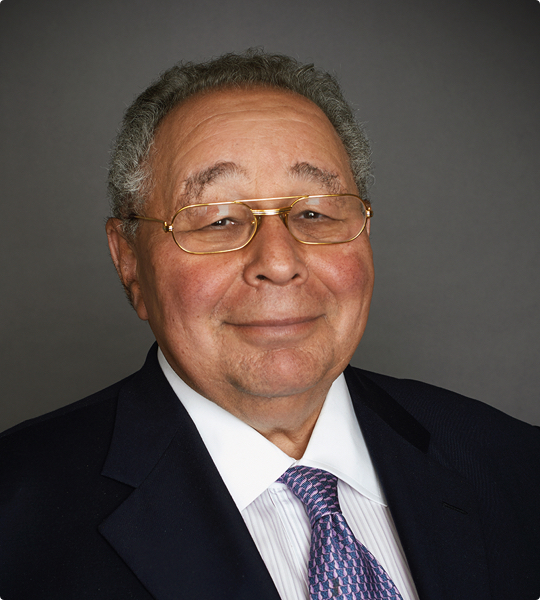
Norman R. Bobins
Mr. Bobins serves as Vice President and Co-Chair of Outreach and Development. As one of the founding members of the Children’s Brain Research Foundation prior to its merger with the Brain Research Foundation, Mr. Bobins is particularly interested in the study of neurological diseases and disorders that affect children. Mr. Bobins is vice chairman, CIBC US Region. He is founder and chief executive of Norman Bobins Consulting LLC. In addition, Mr. Bobins serves on a wide array of boards and charitable organizations.
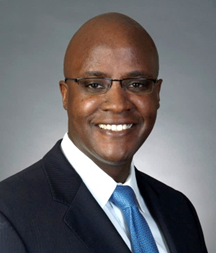
James A. Byrd, Jr. CTFA
James A. Byrd, Jr. is a Senior Vice President at The Northern Trust Company in Chicago. He serves as the Trust Team Lead and Senior Trust Advisor in the Private Client Advisory Services Segment of Wealth Management. James oversees a team of trust professionals and is responsible for the administration of complex trusts for individuals, large families, and tax entities. James is a member of The Chicago Estate Planning Council. He also serves as a Board Member for Family Focus, formerly known as Chicago Child Care Society. He is a volunteer at the Hessed House Shelter in Aurora, IL and is an active member at The Cathedral of Grace, St. John. James earned a B.A. from Aurora University and an MBA from Aurora University’s Dunham School of Business.
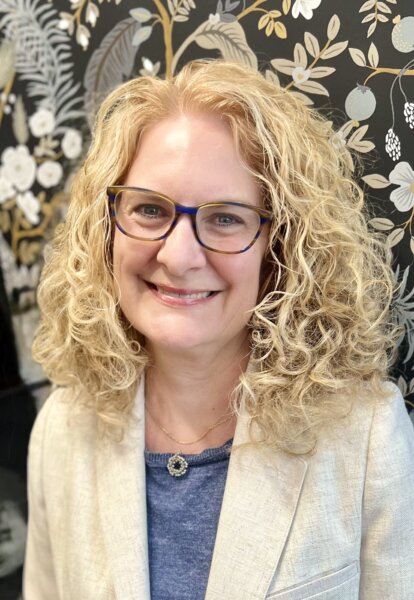
Ann Cheeseman
Retired Partner from Ernst & Young (EY), with more than 33 years of experience serving financial services clients. In her early career, she led integrated financial statement audits, internal audits, and SOC 1 internal control engagements. In the latter portion of her EY career, she led a 40+ person consulting practice focused on financial reporting, regulatory compliance, governance, and capital markets transactions, advising complex domestic and global financial institutions on IPO readiness, mergers and acquisitions, and regulatory strategy.
She also held industry leadership roles, including Chair of the Securities Industry and Financial Markets Association (SIFMA) Regional Conference (2019–2023), where she led development of multi-day programming for senior financial services executives and regulators, including SEC, CFTC, FINRA, and AICPA leaders, focused on regulatory change, capital markets oversight, and financial reporting developments.
Her governance and nonprofit leadership includes serving as Chair of the Audit Committee for YWCA Chicago (2014–2022), where she provided financial oversight, internal control guidance, and audit governance during a period of organizational growth and transformation.
While concluding her corporate career, she expanded into direct investment and operating leadership through the acquisition and redevelopment of Hogg House, a nationally registered 1854 historic property converted into a 25-room student housing asset under Massachusetts lodging house licensing. She led the investment strategy, capital planning, and preservation-sensitive redevelopment, coordinating architects, contractors, and legal counsel through permitting and regulatory approvals with the City of Worcester. The project successfully achieved lodging house licensure in October 2024 and stabilized post-launch operations at approximately 92% occupancy, completing the transition from historic redevelopment to operating student housing asset.
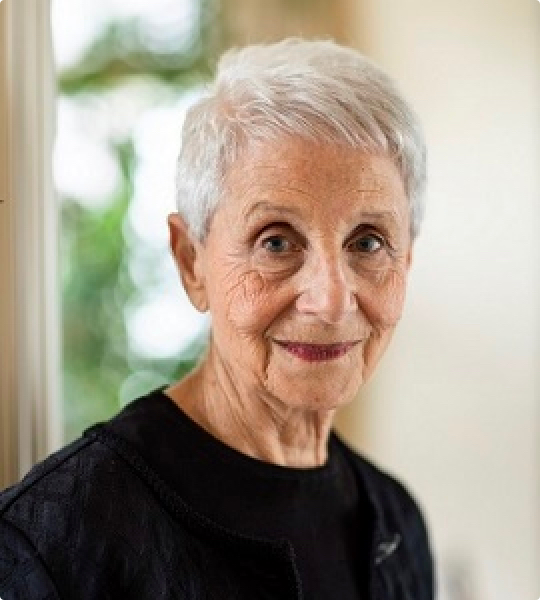
Gail M. Elden
Gail M. Elden is a seasoned clinical psychiatric social worker/therapist with over 25 years of practice. She was a clinical social work fellow in the Department of Psychiatry at Michael Reese Hospital, received her master’s degree in Social Services from the University of Chicago. Gail is currently in private practice. Her areas of treatment include trauma and crisis intervention. She offers aid in divorce, depression, vocational choices, grief counseling, and coping with stress and anxiety. Gail studied with Heinz Kohut in Self Psychology.
Her father, a physician, sowed the seeds of Gail’s interest in the medical field. Interest in the mind was the foundation of Gail’s career. Her passion for brain research grew when doctors diagnosed her late husband, Dick, with melanoma, which later spread to the brain.
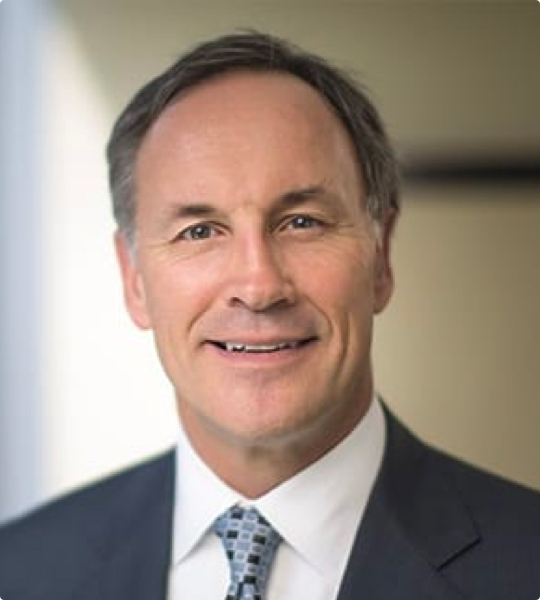
Gary Fencik
As Head of Business Development at Adams Street Partners, Gary focuses on the development of institutional client and consultant relationships, working with other members of the Client Service team to serve the needs of their clients. As a member of the Executive Committee, he is also involved in prioritizing the strategic initiatives of the firm.
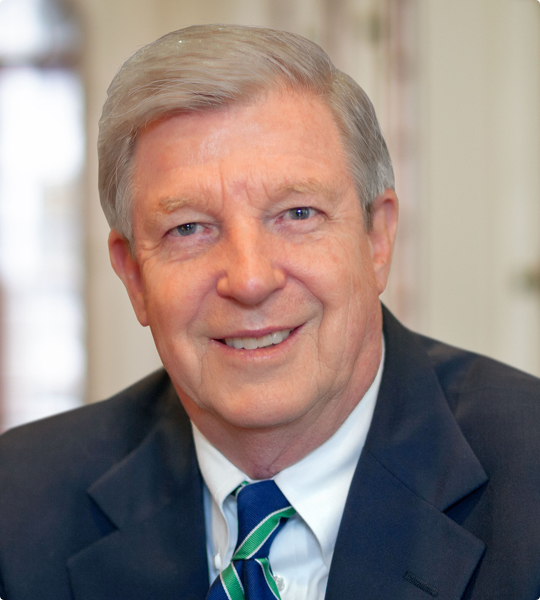
David H. Fishburn
Mr. Fishburn serves as Chair of the Finance and Investment Committee, as well as a member of the Executive Committee. He is a retired partner of Accenture where he specialized in consulting on business strategy, acquisitions and marketing strategy. He joined the Board nearly 30 years ago.
Dave’s family has been touched by several neurological diseases and he felt that he could help fund and provide professional support to the many worthy research projects which the BRF funds annually.
In 2018 Dave was incapacitated by Guillain-Barre syndrome (a rare neurological disorder). He was able to fully recover thanks to the protocol developed by someone’s research. He is pleased to serve a charitable organization that is positioned to contribute 100% of its annual donations to innovative neurological research projects.
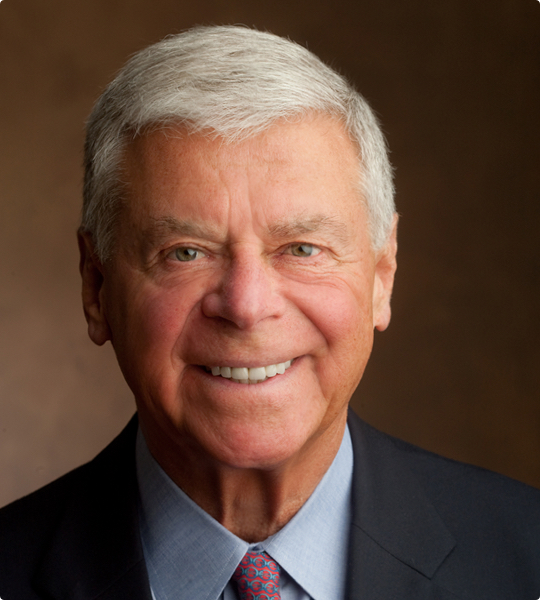
Marshall B. Front
Senior Managing Director, Portfolio Manager | Front Barnett, A Mesirow Company Marshall B. Front is Senior Managing Director and Portfolio Manager at Front Barnett, a Mesirow Company. Front Barnett merged with Mesirow in September 2023, almost thirty years after its founding in Chicago as an independent, employee-owned investment counselling firm. He is responsible for overseeing the Front Barnett investment process which features a distinctive, fundamentally driven, high-quality, large cap growth and value discipline for the management of equities, and a conservative, duration-controlled approach to fixed income management. The investment process is informed by the firm’s proprietary Economic Model which Marshall devised in 1994.
Prior to his tenure as Chairman of Front Barnett LLC, Marshall served in several senior management roles at Stein Roe & Farnham, a Chicago-based Investment Counseling firm, where he was President of the family of Stein Roe mutual funds, President of Stein Roe Investment Counsel and, for over 20 years, a member its Executive Committee. Throughout his time at Stein Roe, Marshall continued in his role as portfolio manager and trusted advisor to many of the firm’s major clients.
Marshall is a Vice Chair of the Field Museum Board of Trustees and Chair of its Endowment Investment Committee, a Trustee of WTTW/WFMT, a Life Trustee of the Museum of Contemporary Art, and serves as advisor to the Board of Trustees of Columbia College Chicago and the Renaissance Society at the University of Chicago on their Endowments. He was President of the Board of Trustees of the Latin School of Chicago from 1991 through 1997, a Trustee of the Illinois Institute of Technology and Chairman of the Board of Archeworks. Marshall is a member of the Economic Club of Chicago and the Chicago Club.
Marshall earned his AB degree from Columbia College (New York) and an MBA from the Columbia University Graduate School of Business. He received an honorary PhD from St. Xavier University (Chicago) for Distinguished Community Service.
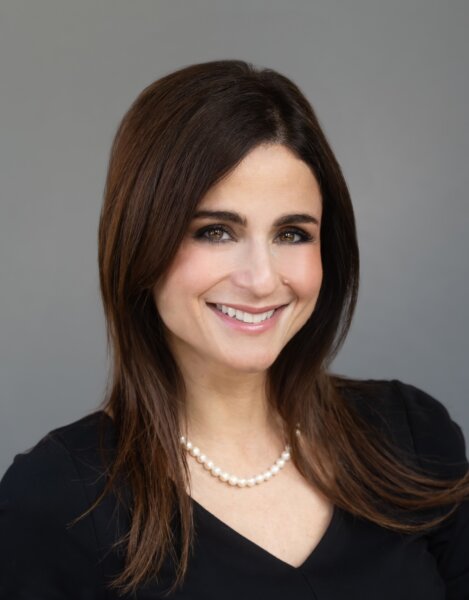
Elisabeth A. Glick
Elisabeth Abraham Glick is an attorney and currently serves as a Director of Compliance at the Cook County Sheriff’s Office. Prior to this role, she served as an Assistant General Counsel. Having worked in the criminal justice sector, mental health continues to be an area of interest to her. Elisabeth holds a Bachelor of Arts in Psychology with a minor in Communication Theory and Rhetoric from the University of Missouri – St. Louis. She went on to obtain her Juris Doctor degree from the University of Illinois College of Law. She lives in Chicago with her husband, Jonathan and their two daughters.
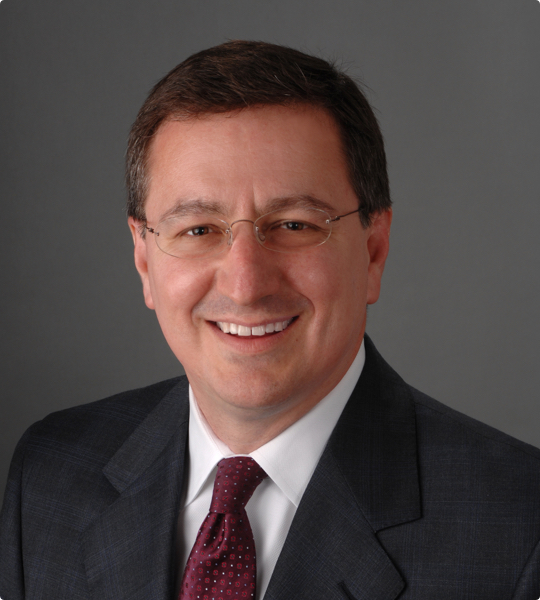
Nathan Hansen
Mr. Hansen is a Managing Director with PwC, one of the world’s largest professional services firms. He focuses his work on helping to improve the operations of pharmaceutical and medical products companies. Having a long-standing commitment to the Chicago community, Mr. Hansen has been looking to channel energies back to the local community in order to make a difference.
Mr. Hansen’s family, like many others, has been touched by brain-related illness, including severe chronic depression, autism, and Alzheimer’s disease. These personal connections, combined with a professional passion for the life sciences, made Brain Research Foundation a natural place for Mr. Hansen to get involved. He has served on our Board of Trustees since 2005 and is currently serving as the Chair of the Outreach and Development Committee.
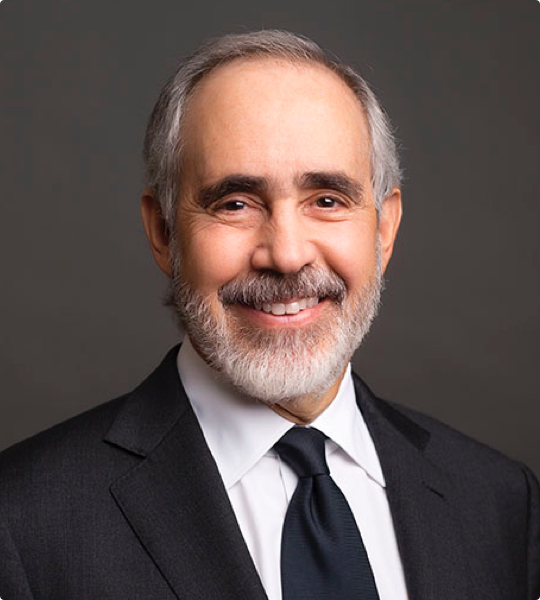
Richard M. Kohn
Mr. Kohn is the Founder and Senior Partner of the Chicago law firm Goldberg Kohn, specializing in commercial finance. He joined the Brain Research Foundation during the merger with the Children’s Brain Research Foundation.
Mr. Kohn also serves on the Board of CJE SeniorLife, and previously served as Chairman of the Chicago Shakespeare Theater, and President of Anshe Emet Synagogue.
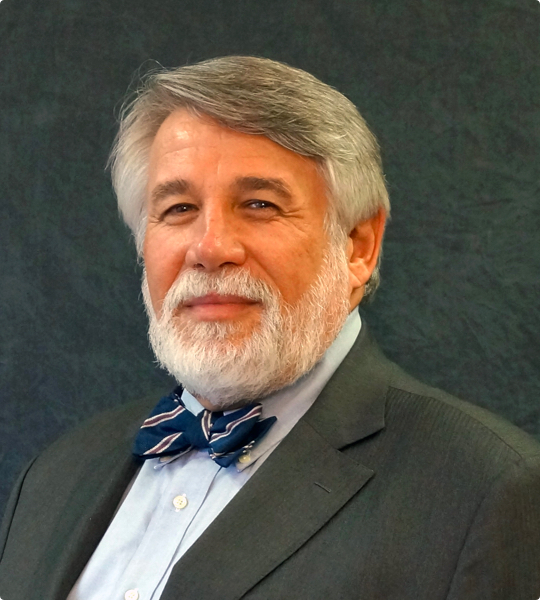
Bennett L. Leventhal, M.D.
Dr. Leventhal serves as the Chair of the Research Committee for Brain Research Foundation. As one of the founding members of the Children’s Brain Research Foundation prior to its merger with the Brain Research Foundation, Dr. Leventhal is an accomplished clinician, educator and investigator who has a particular interest in neurodevelopmental disorders, including Autism Spectrum Disorder. Dr. Leventhal is an internationally renowned psychiatrist who has held academic appointments at the several leading medical schools and leadership positions in State, National and International professional societies and agencies.
Dr. Leventhal is currently Professor of Child and Adolescent Psychiatry in the Department of Psychiatry at the University of California San Francisco. He is also the Irving B. Harris Professor of Child and Adolescent Psychiatry, Emeritus, at the University of Chicago.
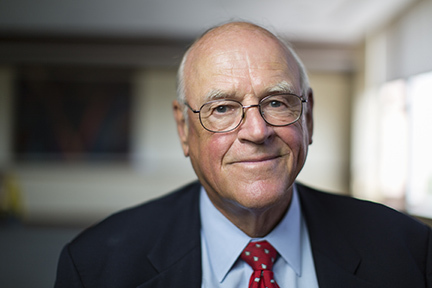
John D. Mabie
As a young man, John Mabie, decided that he should “give back” through some type of charity work. At that time, he was working for his father, William Mabie. William Mabie had recently received a letter that he forwarded to John. It was the Brain Research Foundation’s annual appeal letter, the Fay/Frank Year-End Letter.
The letter told of the family’s similar tragedies – daughters that were afflicted with epilepsy. The letter was very personal and had such great impact on John that he asked his father to contact Bill Fay on his behalf.
John met with Bill Fay to express his willingness to help but explained his lack of financial capability. John joined the BRF Board in 1960 and has been active ever since, donating time and financial support.
In the 60s, the BRF adopted the phrase, “No family left untouched.” Now this phrase is so appropriate, with studies showing that approximately 1 out of 5 Americans suffer from a neurological disorder. When John became involved with the BRF his family was “untouched,” but in July 1984, his involvement took a personal turn. His father died of Parkinson’s disease at the age of 82.
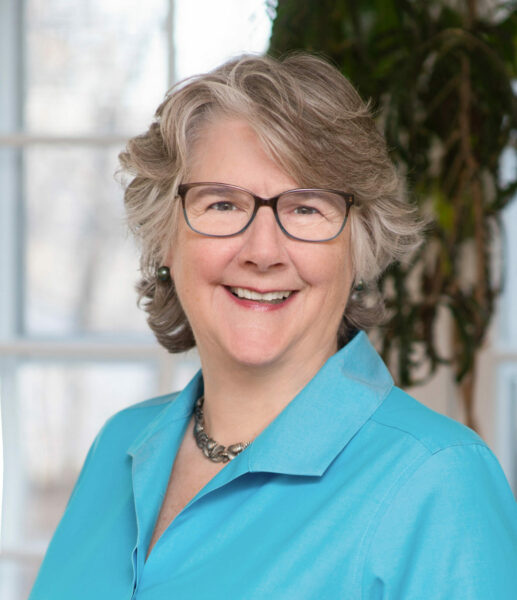
Karen Mabie
Karen Mabie holds a bachelor’s degree in psychology and special education from Vanderbilt University and Master’s and Specialist degrees in Educational Psychology from National Louis University. She is a Nationally Certified School Psychologist, experienced in evaluating and counseling students with learning, social, emotional and behavioral difficulties.
As a professional Educational Consultant Karen is a professional member of the Independent Educational Consultant Association and, as such, subscribes to their ethical guidelines. She has been elected to the Board of Directors to IECA and served as faculty at their Summer Training Institute, training the new consultants entering the field.
She has earned the designation of “Certified Educational Planner” representing the highest level of professional standards in educational consulting. She is also an associate member of the Small Boarding School Association, and the National Association of Therapeutic Schools and Programs. She attends a minimum of 3 professional conferences a year to understand current research-based practices. Each year she visits no fewer than 60 schools and programs, evaluating their curriculum, staff and clientele. She has been in practice for over 20 years and presents often at conferences on residential treatment, wilderness therapy and therapeutic educational consulting.
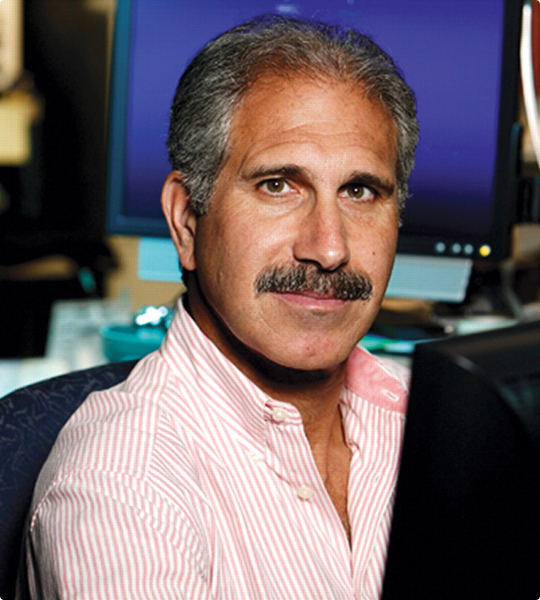
Robert C. Malenka, M.D., Ph.D.
Dr. Robert C. Malenka is the Pritzker Professor of Psychiatry and Behavioral Sciences, Director of the Nancy Pritzker Laboratory at Stanford University and Deputy Director of the Stanford Neurosciences Institute. Dr. Malenka received his M.D. and Ph.D. degrees from Stanford University and then completed a residency in psychiatry at Stanford. He has been a world leader in elucidating the mechanisms underlying the action of neurotransmitters in the mammalian brain and the molecular mechanisms by which neural circuits are reorganized by experience.
His many contributions over the last 25 years have laid the groundwork for a much more sophisticated understanding of the mechanisms by which neurons communicate and the adaptations in synaptic communication which underlie all forms of normal and pathological behavior. Because of his training as both a clinical psychiatrist and cellular neurobiologist, he has been at the forefront of helping to apply the knowledge gained from basic neuroscience research to the treatment and prevention of major neuropsychiatric disorders.
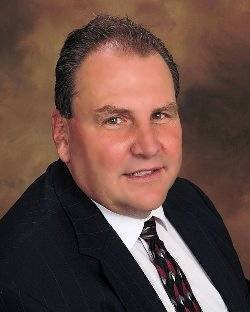
Mark V. Noffke, C.P.A.
Mr. Noffke has an extensive background in all aspects of corporate finance and accounting. Mr. Noffke has been a Chief Financial Officer within several industries with entities that range from $25 million to a billion dollars in revenue, including both private and publicly traded companies.
Mr. Noffke is currently the Executive Director of the Sue Ling Gin Foundation Trust and President of New Management LTD, the owner of three properties within the West Loop of Chicago. Previously, Mr. Noffke was the Chief Financial Officer of Sue Gin’s an inflight catering company, Flying Food Fare, Inc. Flying Food is a large-scale airline catering company that provides top-tier passenger meals and in non-airline catering snacks for over 70 leading airlines and high- level retailers nationwide. Flying Food Group produces exceptional food destined for multi-market destinations like airline, grocery, food service, and specialty markets.
Mr. Noffke has worked in the investment banking industry, along with being a Chief Financial Officer in the forest products, waste recycling, media, construction, and other manufacturing and processing businesses
Mr. Noffke has operated in many cycles in various industries. Mr. Noffke is a Certified Public Accountant and has a B.S. in Accounting from Valparaiso University in Northwestern Indiana. He also has served on several non-profit and company boards.
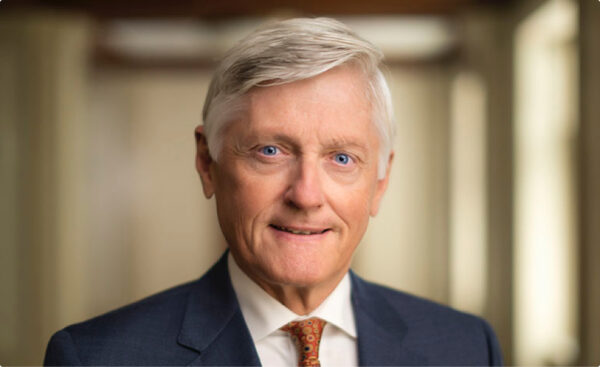
Peter B. Pond
Mr. Pond has a particular interest in the neurological aspects of aging and assists the Brain Research Foundation with a wide range of financial matters. This interest developed as a result of his mother’s Parkinson’s disease.
Peter is the Chairman of the NYSE traded public company, Maximus, Inc. He also serves on the Board of Trustees for The Field Museum, WTTW and as an investment committee member for The Night Ministry. Mr. Pond graduated from Williams College with a BA in Economics and from the University of Chicago with an MBA in Finance.
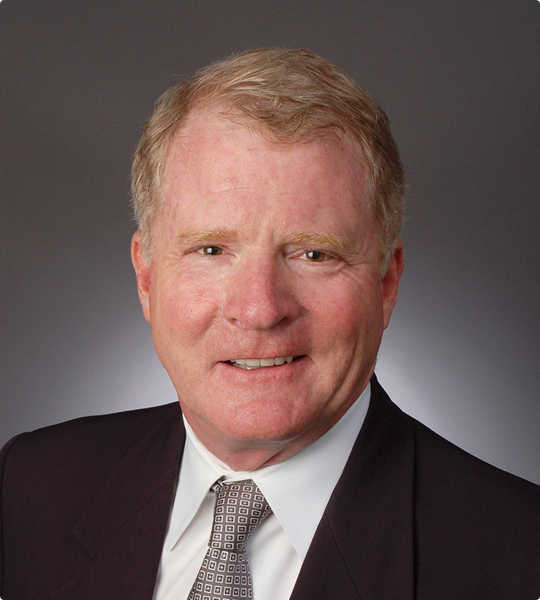
Thomas A. Reynolds III
Mr. Reynolds is a member of the Finance Committee. He is an attorney with Winston & Strawn, LLP. He is Vice Chair of the Georgetown University Board of Directors and Vice Chair of the Shirley Ryan Ability Lab Board of Directors.
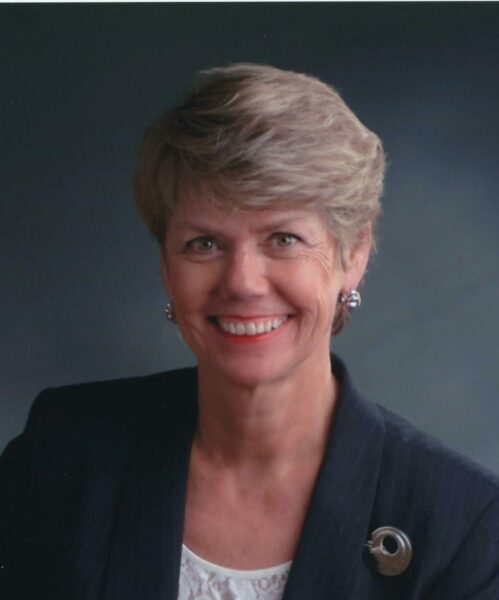
Mary H. Smart
Mrs. Smart has a specific interest in dementia, schizophrenia, and Lewy Body disease which have afflicted some family members. In addition to her work for the Brain Research Foundation, Mrs. Smart is also a past President and current member of the Woman’s Board of Rush University Medical Center as well as a past President and sustaining member of the Junior League of Chicago.
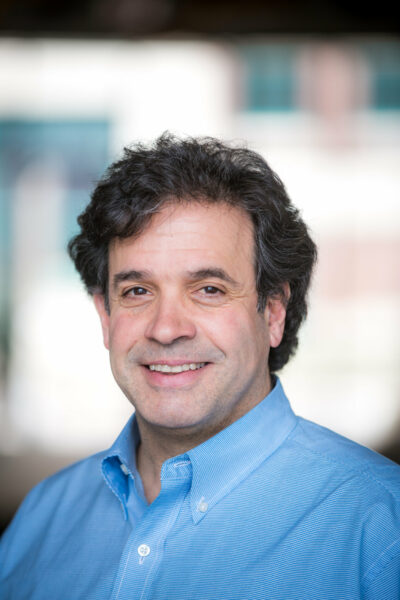
Rudolph Tanzi, Ph.D.
Dr. Rudolph Tanzi is the Director of the Genetics and Aging Research Unit, Co-Director of the McCance Center for Brain Health, Co-Director of the MassGeneral Institute for Neurodegenerative Disease, and Vice-Chair of Neurology (Research), at Massachusetts General Hospital. He is also the Joseph P. and Rose F. Kennedy Professor of Neurology at Harvard Medical School.
Dr. Tanzi discovered several Alzheimer’s disease genes, including all three early-onset familial Alzheimer’s genes, and serves as director of the Alzheimer’s Genome Project, which identified the first innate immune AD gene, CD33. He is also developing therapies for treating and preventing AD using human brain organoid models of the disease. More recently, Dr. Tanzi introduced the “anti-microbial protection” hypothesis of AD implicating infection in the disease process.
Dr. Tanzi has published roughly 600 papers, has received numerous awards including the Metropolitan Life Award, Potamkin Prize, Smithsonian American Ingenuity Award, and was on the 2015 TIME100 Most Influential People in the World list. Dr. Tanzi is a New York Times bestselling author, who has co-authored “Decoding Darkness” and three bestsellers with Deepak Chopra: “Super Brain”, “Super Genes”, and “The Healing Self”. He has hosted his three Public Television shows, appeared on numerous TV news shows, and in his spare time, plays keyboards for Joe Perry, Aerosmith and other musicians.
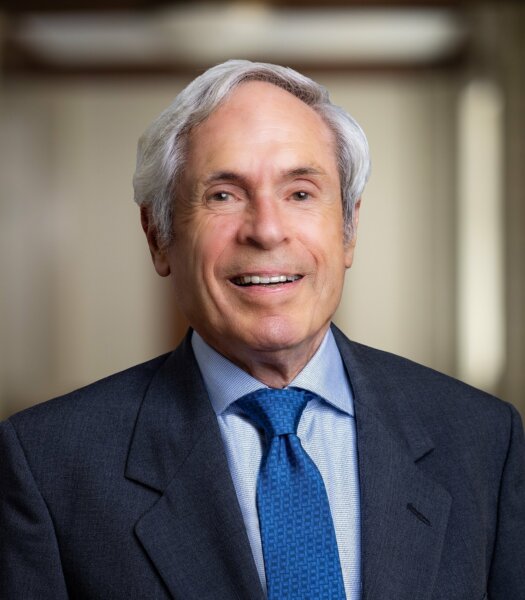
Doug Walter
Doug specializes in corporate and investment structuring and tax law, with a current emphasis on the health care sector. He obtained a Bachelor of Arts degree from Harvard University in 1963 and a JD from the Harvard Law School in 1966. He also attended London School of Economics in 1967.
From 1967 to 1988 Doug was an Associate and then a Partner at Bell, Boyd & Lloyd in Chicago. He then became a Partner at Jones Day in Chicago from 1988 to 1999, and later a Consultant in 2000 and 2001. While in active legal practice, he was a member of the University of Chicago Tax Conference Planning Committee for many years and wrote numerous articles in the area of tax law and corporate structuring. Currently, Doug is very active with a private pharmaceutical company, Housey Pharmaceuticals, with responsibilities for law and strategy.
Doug and his wife, Pam, have been involved with numerous charitable activities. These include serving on the Steering Committee of Founders’ Council of the Field Museum of Natural History; Former co-President of Founders’ Council and ex-officio member of Board of Field Museum and a long-time board member of Chicago Community in Schools.
Subscribe to Our Newsletter
Be a part of the impact. Stay up-to-date with BRF news, including new programs, upcoming events, and updates on our brain research journey.
Executive Staff
The leadership at the Foundation is passionate about supporting the most impactful research.
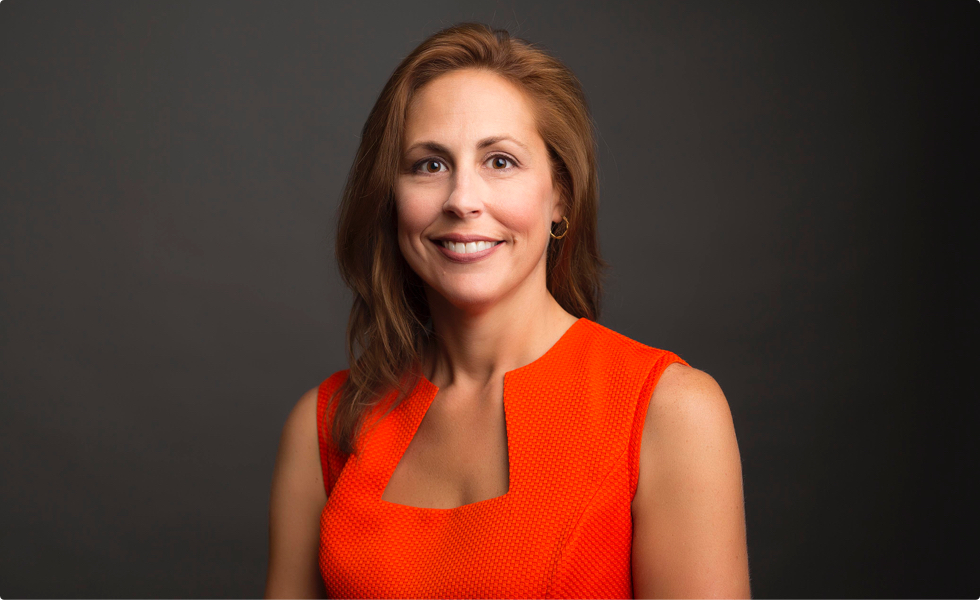
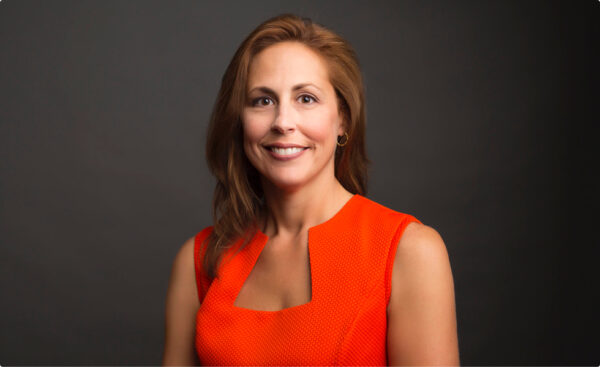
Terre A. Constantine, Ph.D.
Terre A. Constantine, Ph.D. is the Executive Director and CEO of the Brain Research Foundation. Terre is dedicated to BRF’s mission because of her background as a trained scientist. She understands the importance of research and the difficulty in obtaining funding for innovative ideas.
Like so many, Terre’s family was touched by neurological diseases such as Alzheimer’s disease and stroke. But when her mother was diagnosed with a brain tumor, a glioblastoma, that is when her world changed. No longer was she just passionate about BRF because she was a neuroscientist. She was passionate about it because she saw her mother quickly succumb to a ravaging brain tumor that took her ability to talk, write, walk and finally took her life. And like so many that have been down this devastating road, she wants to make sure that someday others will not have to see a loved one’s heartbreaking struggle.
Terre strongly believes that supporting scientific research will lead to new treatments and cures. There are so many talented researchers with innovative ideas, funding sometimes is the only thing that is halting progress and breakthroughs. She is excited to be part of the evolution of science.
Terre A. Constantine earned her Ph.D. from The University of Pittsburgh Medical School in the Department of Pharmacology with a focus on drug addiction and stroke. She continued her research at The Scripps Research Institute where she studied neuroregeneration.
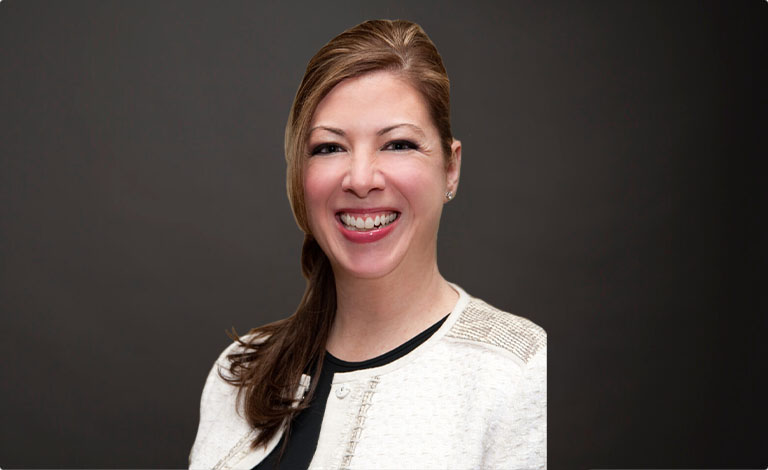
Sandra D. Jaggi
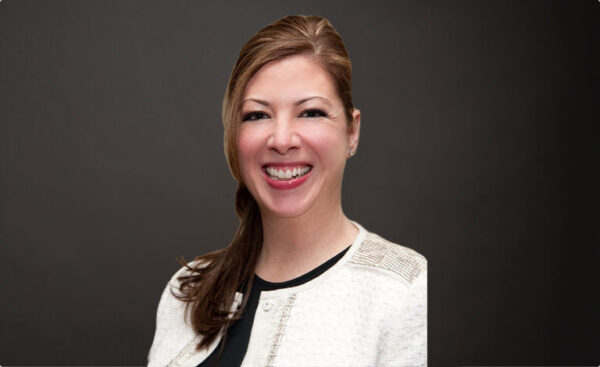
Sandra D. Jaggi is responsible for philanthropy at the Foundation. With 26 years-experience in fundraising, she focuses on donor relations, annual giving, prospect research, major gifts, grant writing and planned giving. Her prior experience includes fundraising at the Art Institute of Chicago and the School of the Art Institute of Chicago.
After many years working in the arts, she decided to pivot mid-career when learning about an opportunity at Brain Research Foundation. She is very passionate about the mission of BRF due to extensive family history with brain related diseases and disorders. Her father suffered from depression and eventually took his life while she was a teenager. Her younger sister is mentally challenged and is cared for in an assisted living facility, and her stepfather died in 2012 from ALS/Lou Gehrig’s disease. Most recently her father’s brother, Sandra’s uncle, also took his own life in 2020.
With so much suffering she knew she had to be a part of an organization dedicated to pioneering brain research because greater understanding of the brain in its entirety will lead to quicker treatments and cures for those afflicted by any neurological condition or disease.
Scientific Review Committee
BRF’s Scientific Review Committee was established to review and evaluate the many research grant applications we receive each year. Comprising researchers from prestigious institutions throughout the country, the committee’s scientific expertise is invaluable when reviewing research grant proposals.
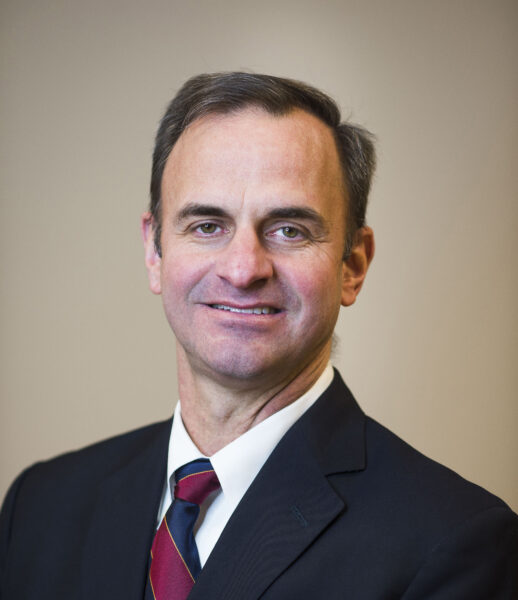
Craig D. Blackstone, M.D., Ph.D.
Craig Blackstone is Chief of the Movement Disorders Division at the Massachusetts General Hospital and Professor of Neurology at Harvard Medical School. Previously, he was a Senior Investigator in the Intramural Research Program of the National Institute of Neurological Disorders and Stroke for nearly two decades. His research group investigates the cellular and molecular mechanisms underlying hereditary neurological movement disorders. He is an elected member of the American Society for Clinical Investigation and Association of American Physicians, as well as an elected Fellow and former Vice President of the American Neurological Association (ANA). He has held numerous other leadership positions in the ANA, including on its Executive Council, Education Innovation Committee, Nominations Committee, Professional Development Committee, Translational and Clinical Research Course Committee, Web Governance Committee, and Research Careers Reimagined Subcommittee. He serves on the editorial board of the Journal of Clinical Investigation. He received the NIH Director's Ruth L. Kirschstein Mentoring Award in 2012 and the NINDS Director’s Diversity Achievement Award in 2018. In 2022, he was elected to the National Academy of Medicine.
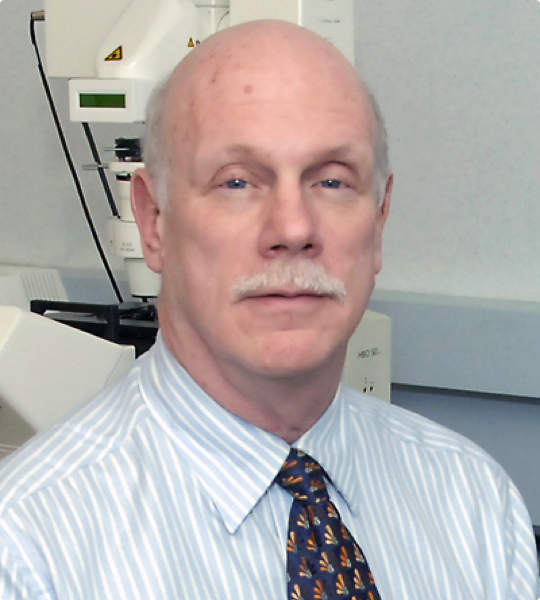
Scott T. Brady, Ph.D.
Scott Brady was born in San Antonio, TX and lived in various cities from Heidelberg to Honolulu as he was growing up. He attended MIT as an undergraduate, receiving bachelor’s degrees in both Physics and Biology. He received his PhD in 1978 from the University of Southern California in Cell and Molecular Biology for work on the role of the cytoskeleton in axonal transport. From there, he joined the laboratory of Raymond Lasek at Case Western Reserve University in Cleveland, OH to continue his studies on both fast and slow axonal transport. In 1985, he became an assistant professor at the University of Texas Southwestern Medical Center in Dallas, TX where he remained until 2001.
At that time, he became Professor and Head of Anatomy and Cell Biology at the University of Illinois at Chicago College of Medicine. During his time at CWRU, he began the practice of spending several months each summer doing research at the Marine Biological Laboratory in Woods Hole, MA where he has been a summer investigator every year, since 1982.
In the mid-1980’s, he worked with Dr Lasek and Dr. Robert D. Allen to develop the isolated axoplasm preparation for study of fast axonal transport. This led to his discovery in 1985 of a new family of molecular motors that was found to mediate anterograde fast axonal transport, the kinesins. These discoveries were recently recognized as milestones in the study of the cytoskeleton by Nature. He has continued his studies on the molecular mechanisms of axonal transport, including a strong interest in its regulation. These studies led to the demonstration that axonal transport plays a critical role in the pathogenesis of Alzheimer’s, Parkinson’s, and Huntington’s disease as well as Amyotrophic Lateral Sclerosis.
He has also studied other aspects of the cellular and molecular biology of the axon, including specializations of the axonal cytoskeleton, myelin-axon interactions and the effects of chronic stress on neuronal function as part of an overall interest in how a neuron is built and maintained for decades. He was named a UIC Distinguished Professor in 2017 and is a fellow of the AAAS. a member of various editorial boards and the Editor in Chief of the Basic Neurochemistry textbook.
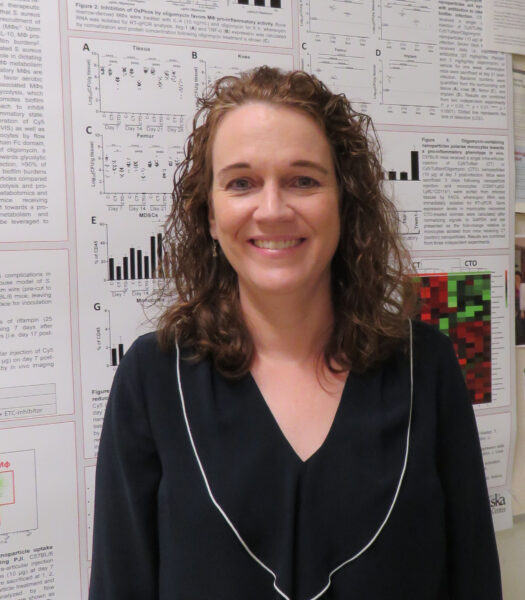
Tammy Kielian, Ph.D.
Tammy Kielian received her Ph.D. from the University of Kansas Medical Center in 1998 and performed a postdoctoral fellowship in neuroimmunology at Dartmouth Medical School. In 2001, she established her independent laboratory at the University of Arkansas for Medical Sciences and was recruited to the University of Nebraska Medical Center in 2008 where she is a professor and holds the Choudari Kommineni, DVM, Ph.D. Endowed Professor of Pathology.
Dr. Kielian’s research interests span the fields of neuroimmunology, infectious diseases, and neuroscience with a unifying theme of innate immunity. Her laboratory has a long-standing interest in studying the pathogenesis and immune responses elicited by Staphylococcus aureus (S. aureus) in the CNS, with a particular emphasis on microglial and astrocyte activation. Her group utilizes a mouse model of S. aureus craniotomy infection that was developed in her laboratory to understand the mechanisms that prevent bacterial clearance in an immune competent host. Her group is also performing translational studies with samples from patients with craniotomy infection to identify leukocyte molecular signatures that are responsible for infection persistence.
Dr. Kielian has served as a regular and ad-hoc member on numerous NIH study section panels and her research program has been continuously funded by the NIH since its inception in 2001.
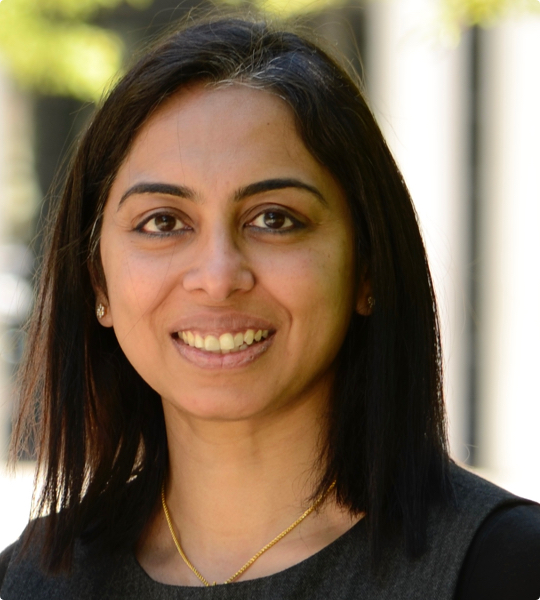
Yamuna Krishnan, Ph.D.
Yamuna Krishnan is Professor of Chemistry at the University of Chicago since 2014. She received a Ph.D. in Organic Chemistry from the Indian Institute of Science, Bangalore and was an 1851 Research Fellow at the University of Cambridge. Yamuna uses DNA nanodevices as reporters of ions, small molecules and enzyme activity to study organelle function and cell physiology. She pioneered the use of DNA-nanotechnology to study living systems and its use in precision medicine. Selected honors include the Infosys Prize for Physical Sciences in 2017 and Bhatnagar Award among others. She was featured in Cell’s 40 Under 40 of scientists who are shaping current and future trends in Biology.
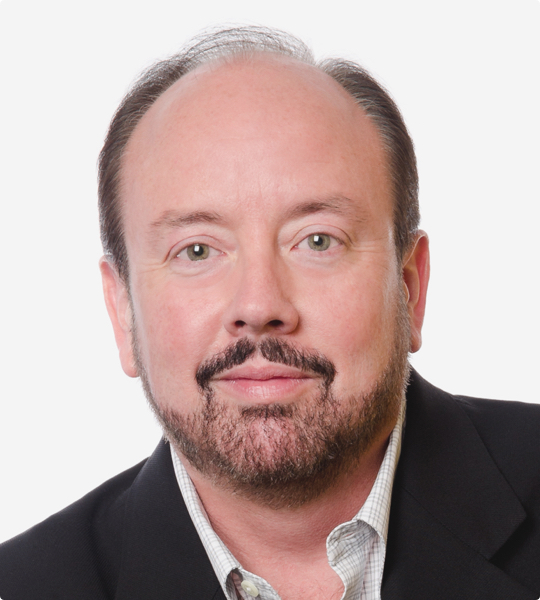
Daniel A. Peterson, Ph.D.
Daniel A. Peterson, Ph.D. is Professor and Vice-Chairman in the Department of Neuroscience at the Chicago Medical School at Rosalind Franklin University of Medicine and Science. He also serves as Director of the Center for Stem Cell and Regenerative Medicine and is a member of the Center for Neurodegenerative Diseases and Therapeutics. Disruption of our normal neurological function can have a very significant impact on our identity and ability to function in the world.
As the brain shows so little ability to repair itself, Dr. Peterson is committed to developing new therapies to repair the brain. His research focuses on understanding the regulation of neurogenesis in the adult and aging brain. In particular, elucidating the key factors specifying progenitor cell fate and exploring ways to directly reprogram in vivo the fate of endogenous neural progenitor cells.
Dr. Peterson is an Editorial Board member for seven scientific journals, a member of the American Federation for Aging Research National Scientific Advisory Council, and the External Commissioner for the Abilitazione Scientifica Nazionale Italia (Concorsuale 06/D6-Neurologia). He is also Past-Chairman of the NIH Study Section NCF (Neurogenesis and Cell Fate) and Past-President of the American Society for Neural Therapy and Repair.
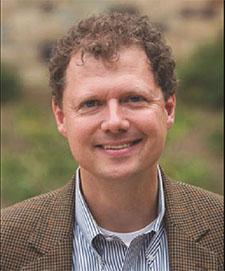
Kerry J. Ressler, M.D., Ph.D.
Kerry J. Ressler, MD, PhD, is the James and Patricia Poitras Chair in Psychiatry, and Chief of the Division of Depression and Anxiety Disorders at McLean Hospital, affiliate of the Harvard Medical School. He received his Bachelor of Science degree in molecular biology from M.I.T., and his M.D./Ph.D. from Harvard Medical School. In 1992 at Harvard, he was the first student of Dr. Linda Buck (Nobel Prize, 2004), helping to identify the molecular organization of the olfactory receptor system, and he has spent his career using molecular tools to understand systems neuroscience approaches to emotion and behavior.
Prior to moving to McLean in 2015, he spent 18 years at Emory University and Grady Memorial Hospital in Atlanta, where he founded the Grady Trauma Project, a study focused on understanding the Psychology, Biology, and Trauma-Related factors contributing to intergenerational cycles of trauma exposure and Posttraumatic Stress Disorder, Substance Abuse and Violence in over 12,000 participants from urban Atlanta. He continues to be active in this work as a visiting professor at Emory and through national leadership roles in understanding the biology and genetics of PTSD through large multisite consortia.
Dr. Ressler is a previous Investigator of the Howard Hughes Medical Institute and a current member of the National Academy of Medicine. He was also the 2017 President of the US Society for Biological Psychiatry, and currently serves on the Councils for the Society of Biological Psychiatry and the American College of Neuropsychopharmacology. His work focuses on translational research bridging molecular neurobiology in animal models with human genetic and epigenetic research on emotion, particularly fear and anxiety disorders. He has published over 400 manuscripts ranging from genetic basic molecular mechanisms of fear processing to understanding how emotion is encoded in the brain across animal models and human patients.
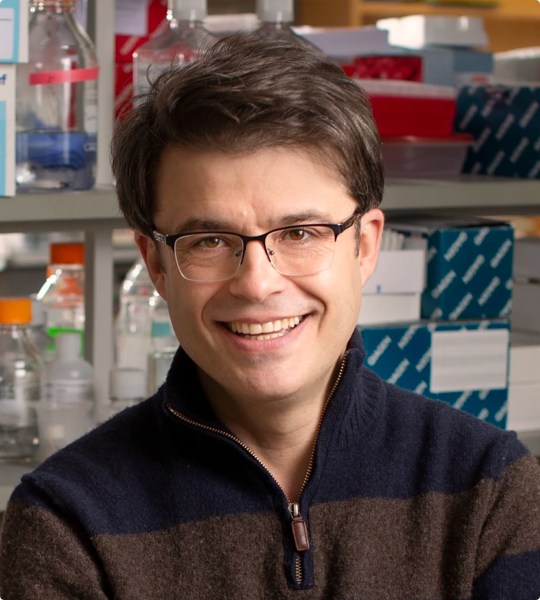
Nenad Sestan, M.D., Ph.D.
Nenad Sestan is a Professor of Neurobiology at the Yale School of Medicine and a member of the Kavli Institute for Neuroscience. He obtained his M.D. from the University of Zagreb and his Ph.D. in neurobiology from Yale University. Nenad Sestan’s research has been concerned with molecular mechanisms involved in the formation of neural circuits in the cerebral cortex, a part of the brain that is critical for cognition, perception and behavior.
His laboratory has also studied how these developmental mechanisms have evolved and become compromised in human disorders. He is the recipient of several international awards and honors, including the Krieg Cortical Discoverer Award, NARSAD Distinguished Investigator Award, and McDonnell Scholar Award, as well as Research Awards from the Simons Foundation, the March of Dimes Foundation, the Whitehall Foundation, the Brain and Behavior Research Foundation, and the Tourette Syndrome Association. He has also served as a key Principal Investigator for the BrainSpan and PsychENCODE consortia

Gordon M. G. Shepherd, M.D., Ph.D.
Gordon M. G. Shepherd is an Associate Professor in Physiology at the Feinberg School of Medicine, Northwestern University, Chicago. His research interests are in understanding the functional organization of cortical circuits mediating volitional movements.
Dr. Shepherd studied biology at Vassar, received M.D. and Ph.D. degrees from Harvard, trained in internal medicine and neurology at Massachusetts General Hospital, and undertook post-doctoral studies at the University of Oslo and Cold Spring Harbor Laboratory. He has also been a visiting scientist at the Marine Biological Laboratory and Janelia Farm Research Campus. At Northwestern, his laboratory focuses on dissecting cortical and other circuits, for example by using lasers and single-cell recordings to measure connections.

Get Involved
The full reach of BRF’s impact depends on you. Make a donation or get involved to help spread hope for the treatment and eventual cure of neurological diseases.